
It starts as a quiet solo under a single spotlight. There are other characters on stage, but they exist only in the shadows. Our leading character whispers the words, “New Year”, which become the opening lyrics to a tender and sentimental ballad- a ballad which isn’t actually part of a Broadway show, but a musical theatre inspired piano solo by Chris Caine.
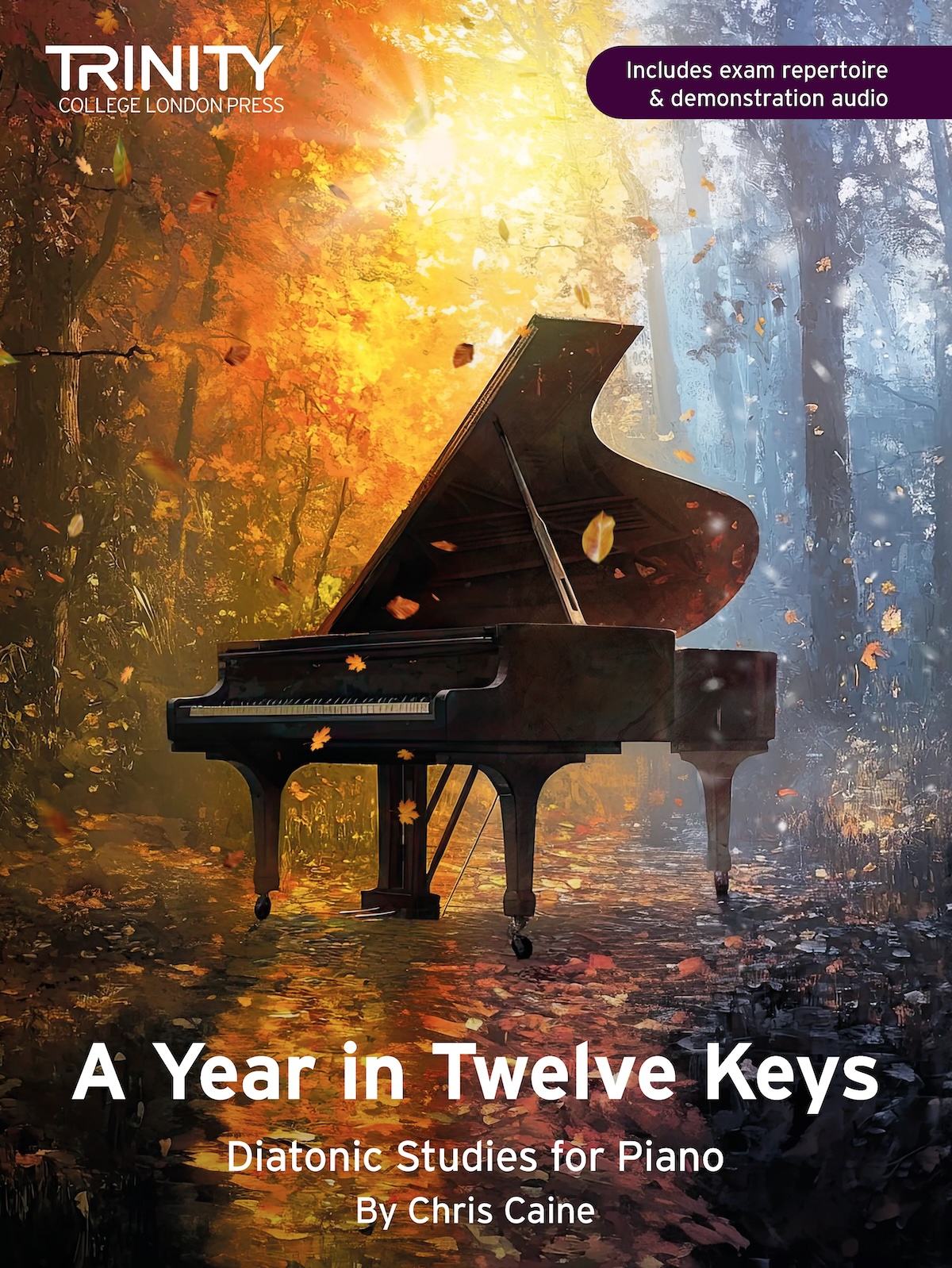
This week is part one of a year-long exploration of the book A Year in Twelve Keys: Diatonic Studies for Piano. These late-intermediate to advanced level pieces are in a variety of styles, but they all share something in common. Each piece remains completely faithful to its key signature without any additional sharps, flats, or naturals added as accidentals. It’s a wonderful way to allow students to get completely comfortable with a particular key, without complications.
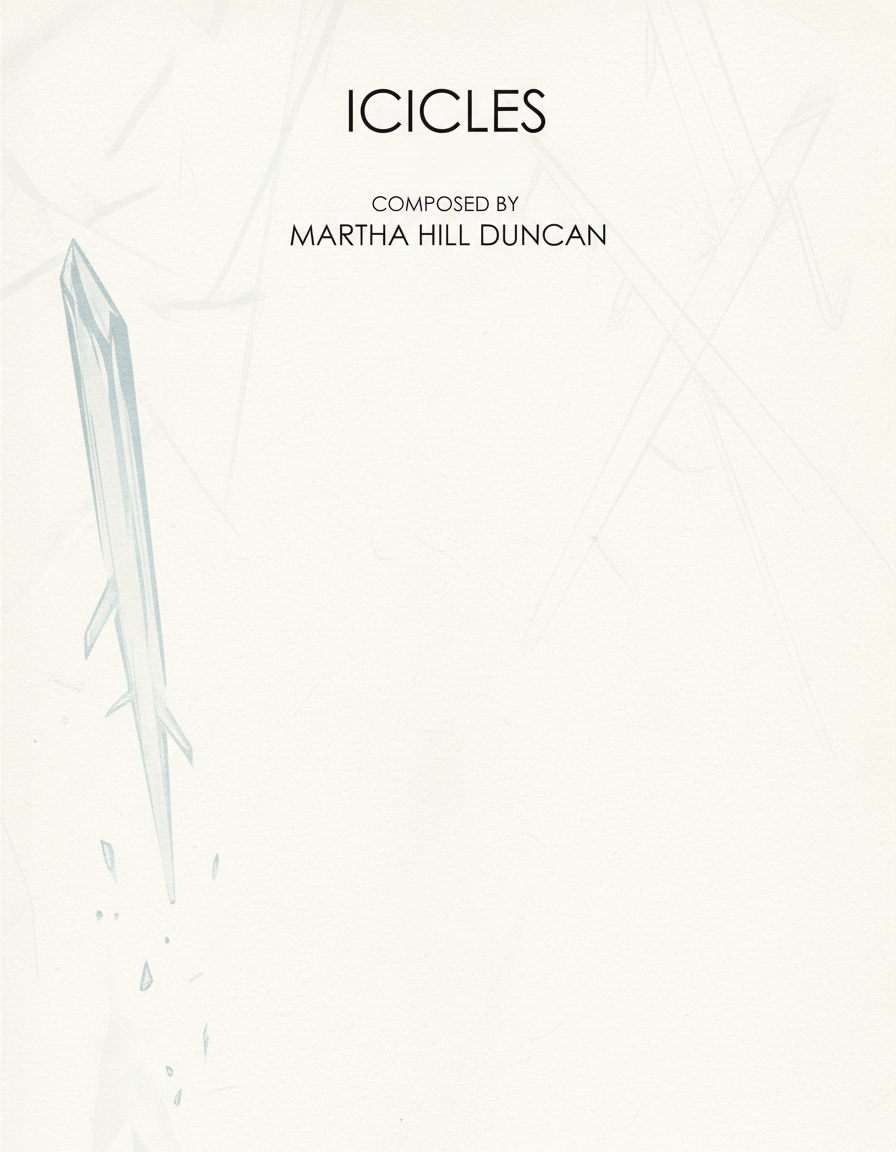
In addition, the bonus piece today is a spunky creation for younger students called Icicles by Martha Hill Duncan. It’s a study in sparkle and personality, like the winter light reflecting through frozen water.
— Transcript —
00:00
Series Launch
Happy New Year, and welcome back. I hope the holiday break gave you at least a little time to rest and recharge. I know I certainly feel rejuvenated.
Today marks the beginning of a new series on the podcast. Over the course of this year, I’ll be exploring a collection by composer Chris Caine called A Year In Twelve Keys.
As the title suggests, it contains one piece for each month of the year, January through December, each one written in a different key. What makes this collection especially interesting is that every piece is entirely diatonic.
That means no chromatic notes, no accidentals sneaking in from outside the key signature. Everything lives strictly within the notes of the given key.
It’s a simple limitation, but it can help students become comfortable playing in a given key before complicating the situation with those pesky accidentals. These are not beginner pieces.
They will range from late intermediate into advanced territory, so rather than racing through them, my plan is to feature one piece per month, right along with the calendar. We will start out today with the aptly named January New Year.
And then we will have plenty of time left for a short bonus piece by Martha Hill Duncan. I propose a musical toast to the new year, coming right up on the Piano Pedagogy Playlist. Greetings and welcome back.
I hope your year is off to a good start. My name is Luke Bartolomeo, I’m a pianist, a teacher, and also a developer of music education apps, including Flashnote Derby.
Each Monday on the Piano Pedagogy Playlist, I share some of my current favorites from the contemporary repertoire written for piano students. Music that’s interesting, thoughtfully composed, and enjoyable to teach.
2:12
Chris Caineʼs January
We’re going to start the year in C major, which feels like a pretty sensible place to begin. Chris Caine describes this piece as a slow-moving, relaxed show tune. All that’s missing are some lyrics.
He does clue us in that the opening two pitches of the melody are meant to suggest the words New Year.
If you had a student who was so inclined, you could see if they could take this prompt and run with it and turn this piano solo into a full-fledged Broadway ballad.
It’s basically constructed with two identical verses, just with the addition of more piano embellishments the second time around. You’ll hear some gentle runs that really aren’t that difficult. They’re all built on similar patterns.
And remember, these are completely diatonic pieces, so not a single black key in the bunch for this piece in C major. Still, from a technical standpoint, this is a late intermediate piece. The textures can be quite dense.
Think fistfuls of notes with the right hand. There are rolled ninths, broken tenths, octave passages. So definitely a piece for a mature student, a fairly accomplished adult student even.
Definitely suitable for a student who would instantly get the idea of it being a showtune. The way I hear it, it’s a quiet solo under a single spotlight. Maybe there are other characters on stage, but they’re often the shadows.
And remember, the composer told us that the first two notes would have the lyrics, New Year. Once you hear it that way, it’s kind of hard to unhear.
It’s almost like the character takes a breath and whispers those words out loud before the music really begins. Let this imagery exist in your mind while I play January, New Year by Chris Caine.
Yeah, I definitely would like to hear the rest of the soundtrack to this musical. And we will be hearing more music from Chris Caine each month for the remainder of the year as we move through all of the compositions in A Year In Twelve Keys.
Alas, I think this is the only one in a showtune style. We’ll have something completely different in February, I assure you.
6:55
Martha Duncanʼs Icicles
And we have time for a bonus piece this week, and I’ve chosen something at an early intermediate level that’s always been a hit with my students in the past. Keeping with the January theme, this is Icicles by Martha Hill Duncan.
Most pieces about ice or that have ice in the title are slow and stoic, but this piece is sprightly and full of character.
I didn’t quite get the connection until I discovered the composer’s own thoughts on the piece and realized that it’s more of a depiction of melting Icicles, specifically the droplets of water that glisten and slide their way along until splashing on
the ground. This score is packed with detailed articulation markings, all of which are essential to tracing that water droplets journey.
It will be tempting for the student to be consumed solely with the notes and the rhythms, but the articulations should be rigorously observed from the very beginning.
It’s always less painful to do the hard work at the start than to have to undo what you’ve learned incorrectly and then still have the hard work to do on top of that.
This is a spunky piece for a spunky student, but also a student who is disciplined enough to get all the little details in place. Here is Icicles by Martha Hill Duncan. That’s just so cute.
Icicles is currently part of the Level 3 syllabus of the Royal Conservatory of Music in Toronto.
And speaking of the Royal Conservatory of Music, I’ve noticed quite a bit of online conversation lately from teachers in the US who are curious about how to get started with the program, how to incorporate it into their teaching.
I’ve had a lot of experience with the Royal Conservatory and feel that my students who have participated have benefited greatly from the experience.
I’m considering putting together a few videos walking through how it goes, what the exams look like, how to get started. If that’s something you’d find helpful, feel free to let me know. I’d love your input.
And just like that, it’s time to close the lid on today’s episode of the Piano Pedagogy Playlist. You know, I am aware that I’ve been featuring a lot of music about cold, about snow, about winter lately.
But I promise that next week, we’ll warm things up a little, take things in a bit of a different direction.
So make sure you join me again next Monday when I share some more of my current favorites from the contemporary piano teacher’s repertoire written by living composers. Until then, keep nurturing the music and have a great week.


Leave a Reply