

After weeks of winter-themed repertoire, it’s time for a musical getaway. In this episode of The Piano Pedagogy Playlist, I head for warmer shores with the piano music of composer Martín Cuéllar.
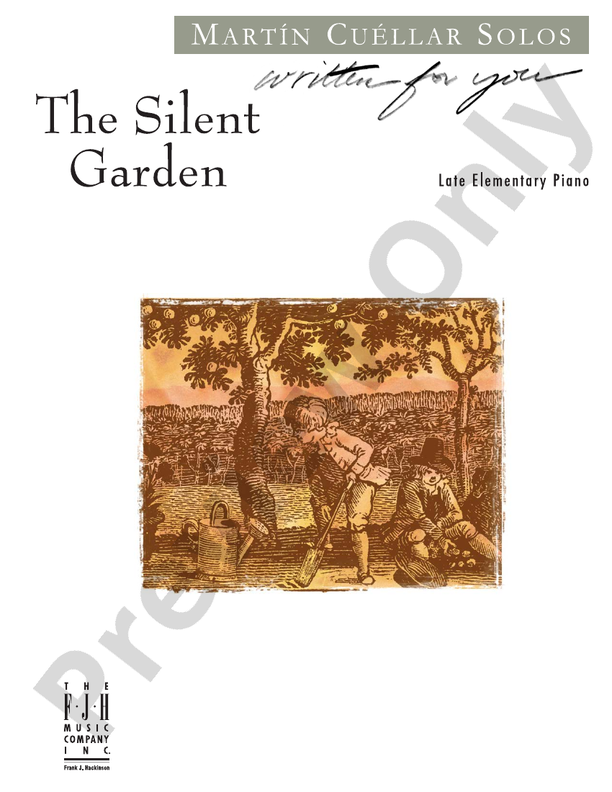
You’ll hear three engaging pieces that span late-elementary through late-intermediate levels: the atmospheric Nightfall in Tossa de Mar, the lively and playful Scherzo, and the gentle, reflective The Silent Garden.
Whether you’re looking for fresh recital ideas, inspiring teaching pieces, or simply a moment of musical escape from the winter chill, this episode offers a warm and welcoming journey at the piano.
— Transcript —
00:00
Musical Getaway Spain
After weeks of episodes dealing with snowflakes, mittens, and cold minor keys, even though a lot of us are still in the thick of it, I thought it might be time for a little musical getaway.
So today, we’re leaving behind our scarves and boots and heading somewhere warmer, to the Mediterranean coast of Spain, and the music of our featured composer today, Martín Cuéllar.
I’ll be sharing three of his pieces, something for late elementary, intermediate, and late intermediate students, all tied together by his unique sense of atmosphere and imagination. So grab your musical passport. We’re headed for warmer shores.
Coming up next on the Piano Pedagogy Playlist. Greetings and welcome. I hope your day is going well.
My name is Luke Bartolomeo. I’m a pianist, a teacher, and also a developer of music education apps, including Flashnote Derby.
Each Monday here on the podcast, I share some of my current favorites from the contemporary repertoire written for piano students, all by living composers. Let’s begin today with the piece that inspired this episode.
1:18
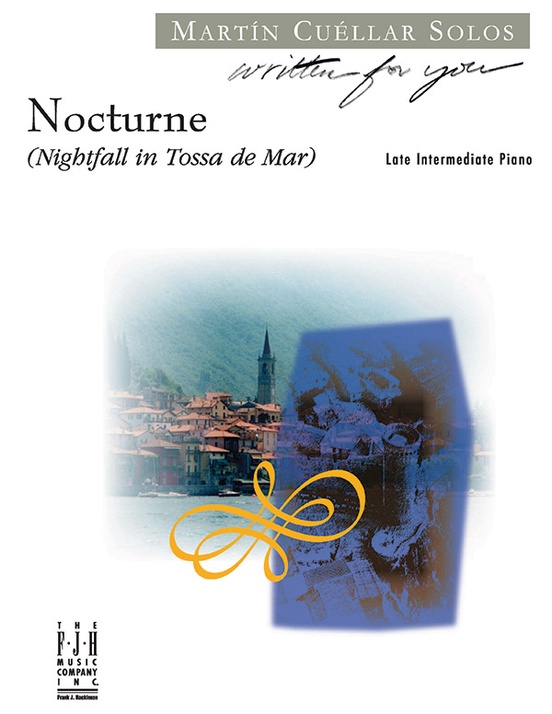
Nightfall Tossa de Mar
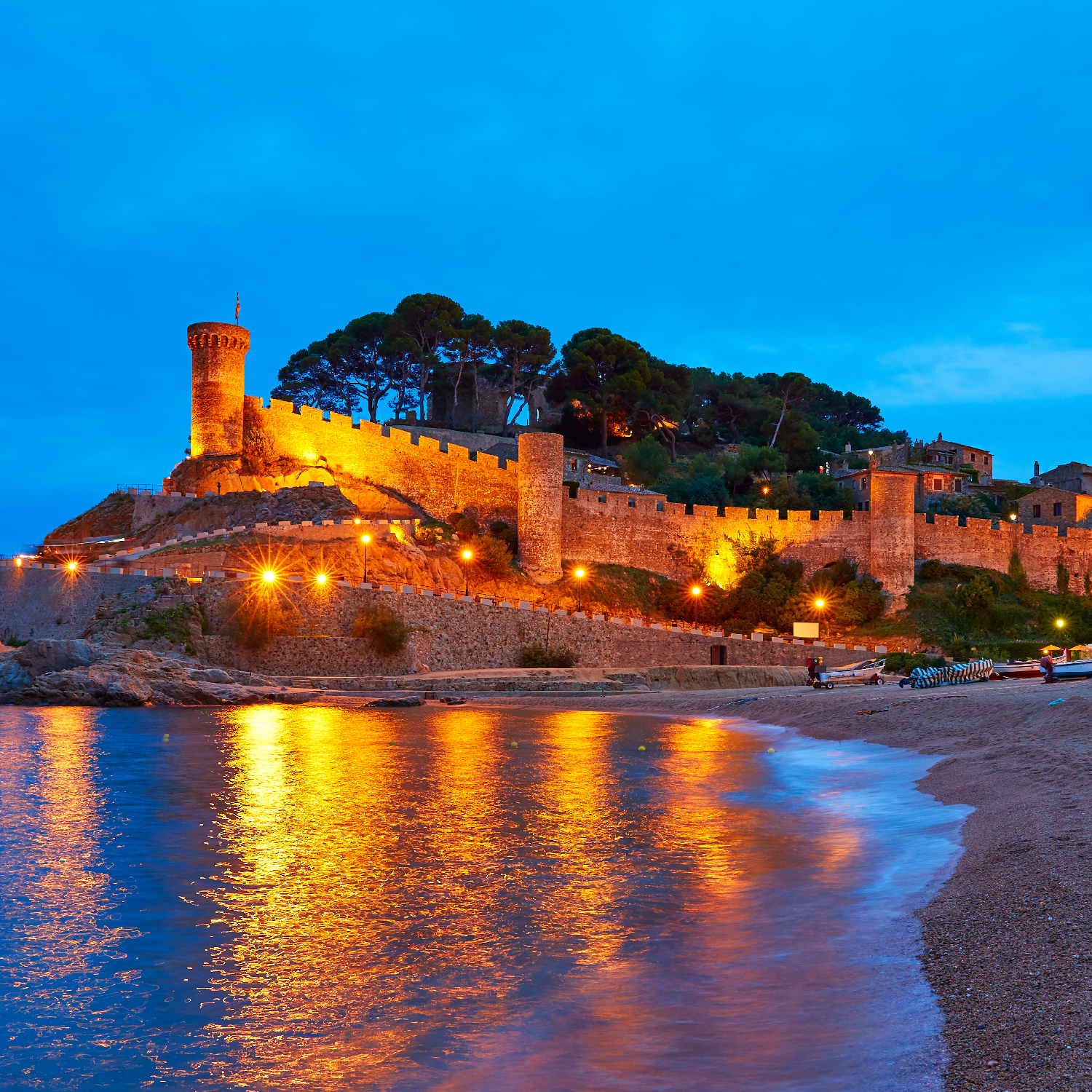
It’s titled Nightfall at Tossa de Mar. Now, Tossa de Mar is a small coastal town in Catalonia. That’s the northeastern corner of Spain that borders France to the north.
It’s known for its old medieval city with its beautifully preserved fortification walls, and for its gorgeous beaches and swimming coves, and also its romantic and relaxed atmosphere.
I think a little bit of all these elements come through in Martín Cuéllar’s depiction. This would be a nice recital selection for a late intermediate student.
The technical challenges aren’t extreme, although there are some clever pedal markings that would be easy to ignore, though they shouldn’t be.
The composer’s objective, I think, is to balance the desire for lush sustained harmonies with the desire to keep the melody clear and unmuddied.
He accomplishes this through some additional pedal changes, but with select notes being sustained through the fingers. Aside from that, the real challenges are more musical in nature.
The ability to focus on long melodic lines, and to allow the music to breathe between them. And the ability to just slow down and create an atmosphere and enjoy existing in it. Here is Nightfall at Tossa de Mar by Martín Cuéllar.
Ah, can you picture it? Well, if you still need a little inspiration, head to our website here at pianopedagogyplaylist.com and check out the cover image for this episode, episode number 22.
You’ll see a lovely photo of the wall of the medieval city at dusk. It looks absolutely stunning.
7:02
Scherzo Energetic Piece
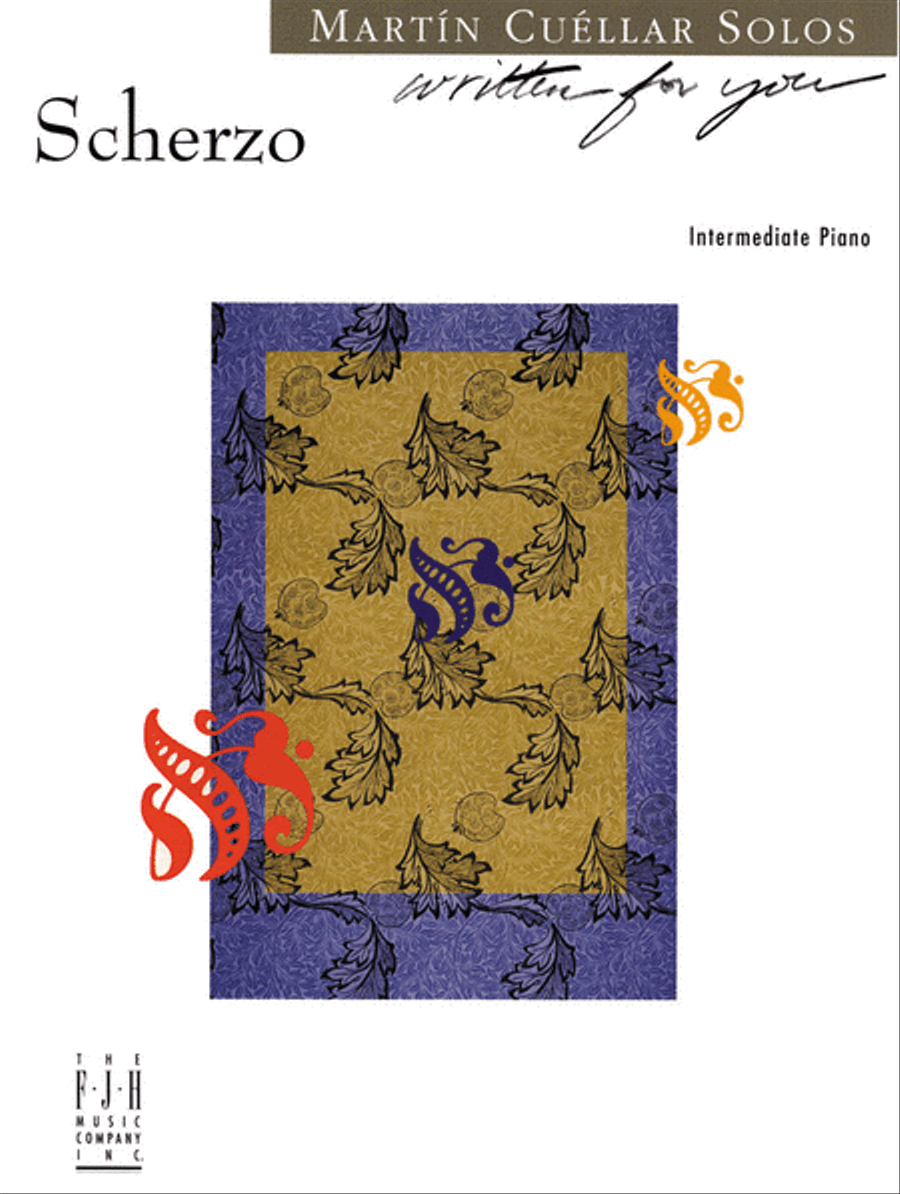
So we’re going to shift gears here, and I don’t have a clever segue to get us from where we were to where we are going. But what’s on deck is a piece that I first taught back in the early 2000s, I think. It’s a scherzo.
And where Nightfall invited us to linger, scherzo invites us to move. This is an energetic, not at all too serious piece for intermediate students, full of quick character shifts and playful momentum.
And you’ll hear there’s a nice lyrical middle section that uses the compositional technique of inversion. Inversion is where a melody is literally flipped upside down.
And Cuéllar uses inversion to get twice the compositional bang for his buck from a good idea.
And it’s also a good teaching moment for students who are starting to become more aware of form and structure, and also the techniques that composers use to make a piece sound cohesive.
This is a piece that works equally well for recital purposes, a teaching study, or just for some motivation for a student who needs something that sounds flashy and a little more difficult than it actually is. Here’s Scherzo.
9:54
The Silent Garden
For our final piece today, we’re going back for some peaceful serenity. The peacefulness of The Silent Garden. This is a good choice for students at the late elementary level, who are on the cusp of early intermediate repertoire.
Think of it as a bridge piece that brings together a lot of the concepts they would have learned recently at this level. Things like frequent changes of hand position, legato pedaling, shaping of phrases, and balancing melody vs. accompaniment.
After our lively scherzo, I think The Silent Garden sounds like the perfect peaceful place to conclude for today. Today, we heard three pieces by Martín Cuéllar.
From the warm coastal imagery of Nightfall at Tossa de Mar, to the playful energy of Scherzo, and finally to the gentleness of The Secret Garden.
I hope these pieces have provided a little respite from the dreariness that often accompanies January in much of North America.
But you know, one person who probably isn’t having to deal with the dreary weather is actually Martín Cuéllar himself, because from what I’ve read, he’s recently retired from Emporia State University in Kansas and now resides in Florida.
So if by any chance you happen to hear this maestro, I hope you’re enjoying the sunshine.
And if, perchance, you feel a little inspired to add to your repertoire of teaching pieces, I’m sure that more than a few of us would be overjoyed at that prospect. No pressure, though.
As always, you can find links to where you can purchase all of the pieces on the podcast today in the episode description, or by visiting my website pianopedagogyplaylist.com.
And just like that, it’s time to close the lid on today’s episode of The Piano Pedagogy Playlist. Wherever this week finds you, whether it’s in snow boots or in sunshine, I hope you find a moment to let music transport you somewhere beautiful.
I’ll look forward to seeing you again next Monday, when I’ll share more of my current favorites from the contemporary piano teacher’s repertoire. Until then, keep nurturing the music, and have a wonderful week.

Leave a Reply